



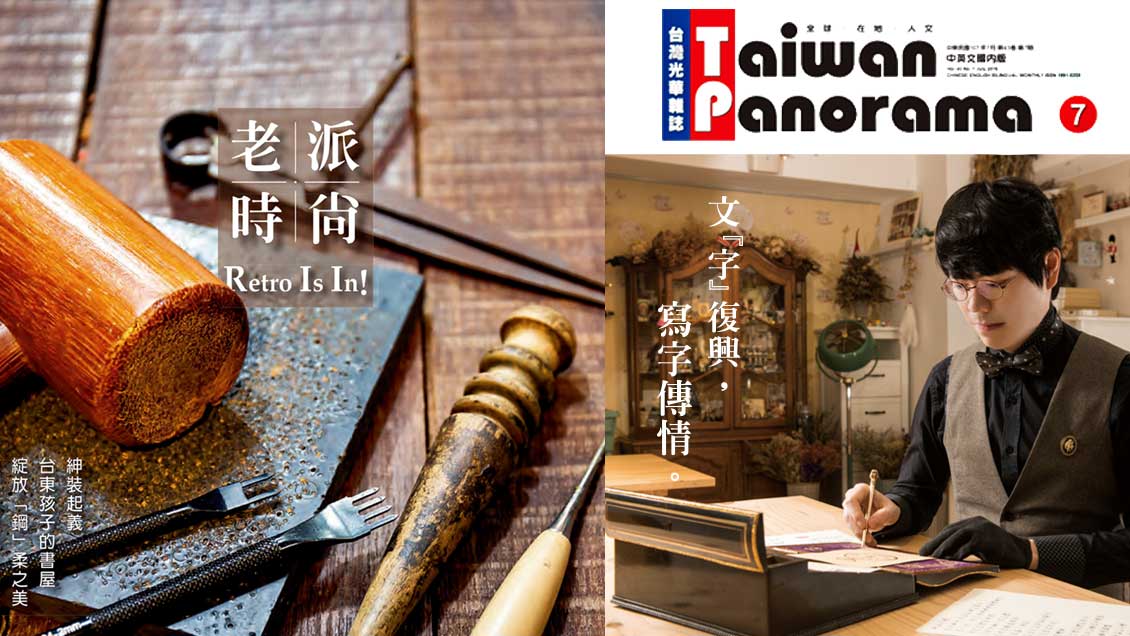

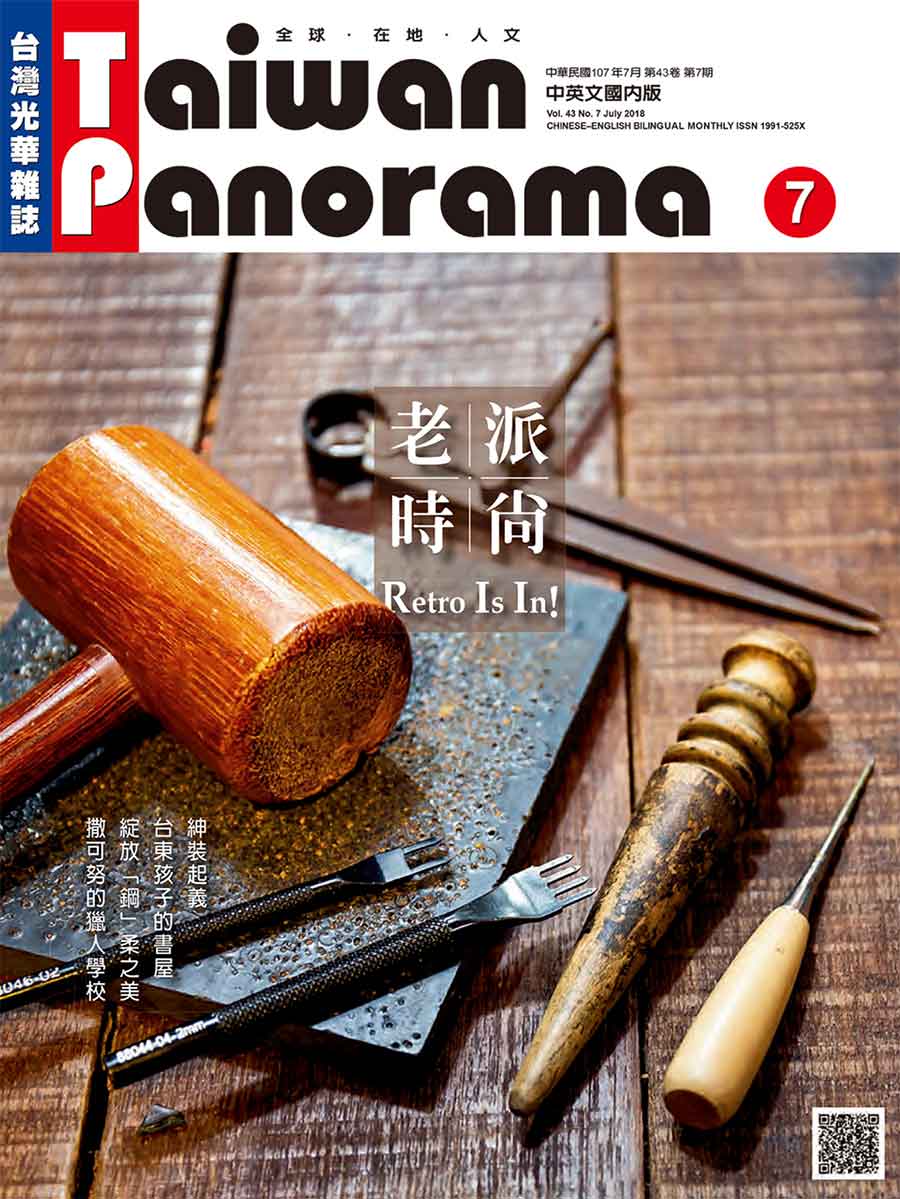
2018年,外交部官方刊物《台灣光華 Taiwan Panorama》以「文『字』復興,寫字傳情」為題,
專訪日日好文創創辦人韓玉青老師,深入報導台灣手寫文化、書寫美學與個人識別設計的發展。
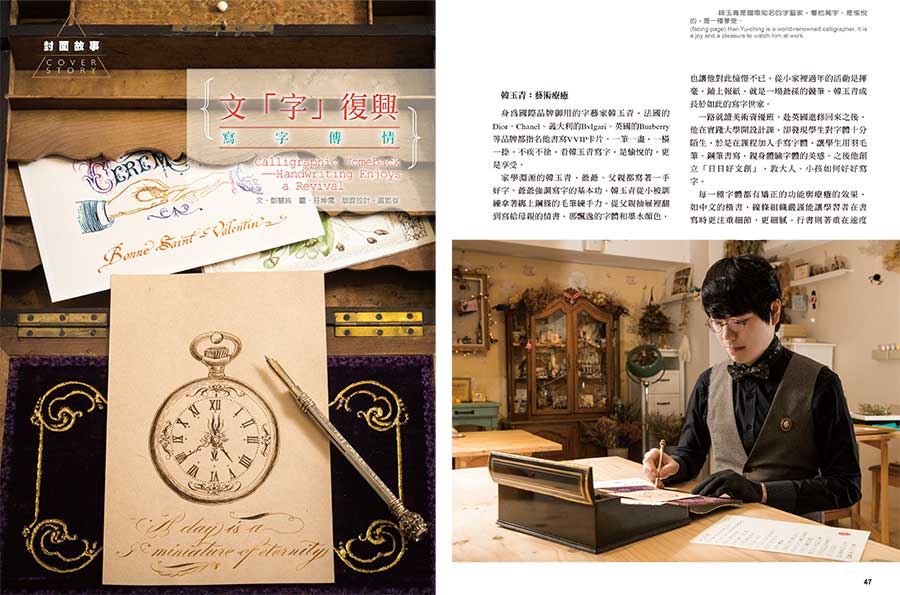
外交部官方刊物《台灣光華》專訪韓玉青|文「字」復興,寫字傳情
2018年07月01日 出版 ◎撰文者 鄧慧純 攝影 莊坤儒 版面設計 蕭郢岑
在智慧型手機與社群媒體快速普及的年代,當人們愈來愈習慣透過鍵盤與螢幕溝通時,一本由外交部發行的國際文化刊物,卻將目光重新投向了手寫這件事。
《台灣光華雜誌 Taiwan Panorama》以「老派時尚(Retro Is In!)」為主題,探討那些在數位時代看似逐漸遠離生活,卻又悄悄重新受到關注的文化現象。而其中一篇專題報導,便以〈文「字」復興,寫字傳情〉為題,專訪日日好文創創辦人、個人識別設計師韓玉青。
這篇報導談的,其實不只是字寫得漂不漂亮。更深層地說,它關注的是一個值得思考的現象:當科技讓溝通變得越來越快速,人們為什麼反而開始重新渴望手寫的溫度?
當時的台灣,正逐漸出現一股書寫美學復興的風潮。鋼筆、墨水、手帳、手寫卡片與書寫課程開始受到關注。許多人重新拿起筆,不只是為了練字,也不只是為了懷舊。更多時候,是因為人們開始意識到,在快速流動的數位世界裡,手寫所留下的溫度、情感與個人痕跡,依然具有無法被取代的價值。
而韓玉青多年來推廣的書寫理念,也正與這樣的時代氛圍產生了某種呼應。從設計教育、字體研究、西洋書法、鋼筆文化,到後來逐漸發展出的簽名設計與個人識別設計,韓玉青始終關注的,其實不是單純的技法。而是人與文字之間的關係。因為一個人的字,不只是資訊傳遞的工具。它同時也是生活狀態、美感養成、文化背景與個人識別的一部分。
《台灣光華》作為外交部長年發行的重要國際刊物,持續透過中英文內容向世界介紹台灣的人文、藝術與文化觀點。能夠被納入專題報導之中,某種程度上也反映出當時的書寫文化,已不再只是小眾興趣。它開始被視為一種值得被記錄的文化現象。
多年後重新翻閱這篇專訪,我最深的感受並不是媒體曝光本身。而是它留下了一份珍貴的時代紀錄。紀錄著那個人們重新談論書寫、重新拿起鋼筆、重新思考手寫價值的年代。也紀錄著一個始終相信文字不只是文字的人,如何透過書寫、美感與設計,持續探索人與世界之間的連結。
而直到今天,我依然相信。書寫之所以動人,從來不只是因為字跡本身。而是因為每一筆文字背後,都存在著一個真實的人。
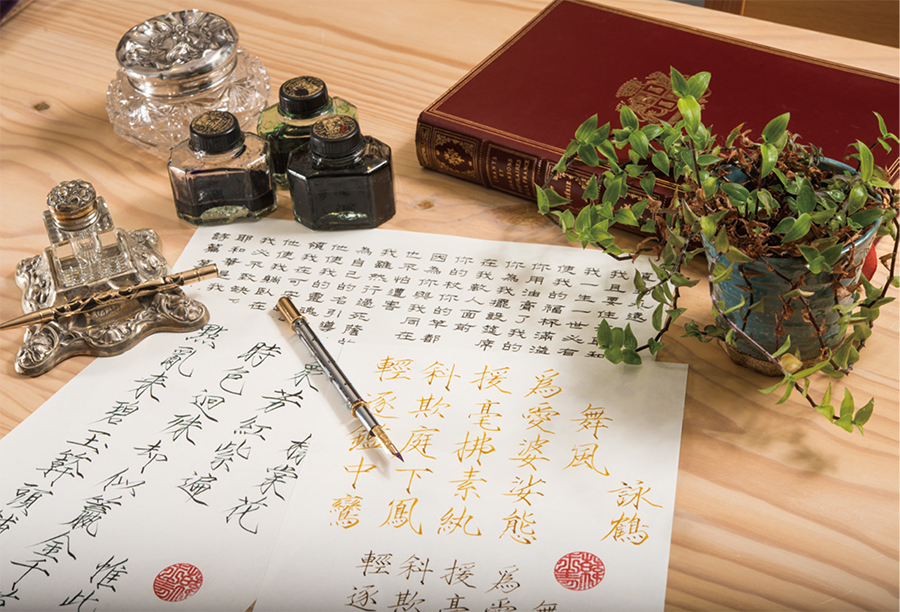
從設計教育,到個人識別設計
《台灣光華》的專訪中曾提到,韓玉青並非出身於傳統書法體系。
相較於臨帖與書法訓練,他的養成背景更接近視覺設計與藝術教育。從大學時期開始,便長期接觸字體設計、版面編排、企業識別系統(CIS)、視覺傳達與美感教育,並持續研究東西方書寫文化之間的差異與共通性。多年來,他關注的始終不只是字體本身。而是文字如何被閱讀、如何被感受,以及一個人的名字如何透過書寫產生獨特的辨識度。
從字體結構、空間比例、運筆節奏,到人體工學與視覺平衡,這些看似分散的領域,最終都指向同一個問題:一個人,如何透過書寫表達自己。也因此,在韓玉青的教學裡,書寫從來不只是把字寫得工整漂亮。比起追求標準答案,他更重視每個人原有的特質與節奏。因為真正動人的字,往往不是最工整的字。而是最能反映一個人性格與氣質的字。
多年來,從設計教育、鋼筆字教學、簽名設計,到後來逐漸發展出的個人識別研究,這些看似不同的工作,其實都圍繞著相同的核心。那就是透過書寫,重新理解自己。因此,日日好文創所談的書寫美學,也從來不只是技術訓練。它更像是一種關於身份感的探索。透過名字、簽名與文字,人們重新認識自己的特質,理解自己的節奏,並找到屬於自己的表達方式。而這樣的理念,也逐漸發展成今日日日好文創的重要核心:
書寫,不只是技巧。而是一種屬於自己的個人識別。
在數位時代,人們反而開始懷念手寫
《台灣光華》的專訪中曾提到一個有趣的現象。當科技讓溝通變得越來越快速,人們卻沒有因此完全放下手寫。相反地,許多人依然會因為一張親手寫下的卡片、一封手寫信,或是一個帶有個人特色的簽名,而留下深刻印象。
因為手寫所傳遞的,從來不只是資訊本身。在筆尖與紙張接觸的過程裡,人們同時留下了情緒、時間、溫度,以及屬於自己的痕跡。同樣一句話,用鍵盤打出來或許能清楚傳達內容;但當它被親手寫下時,卻往往多了一種難以取代的真實感。
而這種真實感,正是許多人記住手寫的原因。在當年的專訪中,韓玉青曾提到:
「寫字不只是寫字,實際上是一門綜合藝術,與人的精神狀態有很深的關聯。」
多年後回頭看,這段話反而顯得更加貼近當代生活。因為當 AI 開始大量生成文字、圖像與內容之後,人們逐漸發現,資訊本身變得越來越容易取得。真正稀缺的,反而是真實的人味。我們依然會被某個人的筆跡吸引,會因為一張手寫卡片而感動,也會因為一個帶有個人特色的簽名而留下印象。
並不是因為手寫比較有效率。而是因為在那些不完美的筆畫裡,我們看見了一個真實存在的人。他的習慣、節奏、情緒與生命經驗,都在字裡行間留下了痕跡。或許也正因如此,當世界變得越來越數位化之後,人們反而開始重新珍惜那些帶有溫度的事物。而手寫,正是其中最安靜,也最動人的一種。它讓我們記得,在所有技術與工具之外,人與人之間最珍貴的連結,依然來自真實的感受與理解。
為什麼精品品牌始終重視手寫?
在《台灣光華》英文版專訪中,也曾提及韓玉青長期參與國際精品品牌的書寫與識別設計工作,包括 CHANEL、Dior、Bvlgari、Burberry、Van Cleef & Arpels 等品牌的重要活動與專案。
然而,多年來與這些品牌合作後,我逐漸發現一件事。精品品牌真正重視的,從來不只是手寫本身。更不是單純因為手寫看起來比較漂亮。因為對真正高端的品牌而言,商品只是整體體驗的一部分。更重要的是,人們是否感受到自己被認真對待。
一封親手書寫的邀請函、一張專屬桌卡、一個被仔細安排的位置,甚至是一個被正確書寫的名字,看似只是微小的細節,卻往往成為人們對品牌最深刻的記憶。因為這些細節所傳遞的,不只是資訊。而是一種尊重、一種身份感、以及一種被看見的感受。
也因此,在許多精品品牌的重要活動裡,從 VVIP 邀請函、晚宴桌卡、現場姓名書寫,到專屬簽名設計,每一筆文字都不只是裝飾性的存在。它們代表著品牌如何與人建立關係、如何透過細節傳遞情感、又如何讓每一位受邀者感受到自己的獨特性。
多年後回頭看,我也逐漸理解,這些工作之所以吸引我,並不只是因為喜歡寫字。而是因為它們始終圍繞著同一個主題。那就是:身份。名字,是一個人最常使用的符號。也是陪伴一生最長久的視覺識別。
當品牌透過名字與人建立連結時,其實正在傳遞一個訊息:您是被看見的。而這樣的理解,也逐漸成為後來「個人識別設計(Personal Identity Design)」的重要起點。因為我始終相信,名字不只是文字。簽名不只是符號。它們所承載的,其實是一個人如何理解自己,以及如何被世界記住。
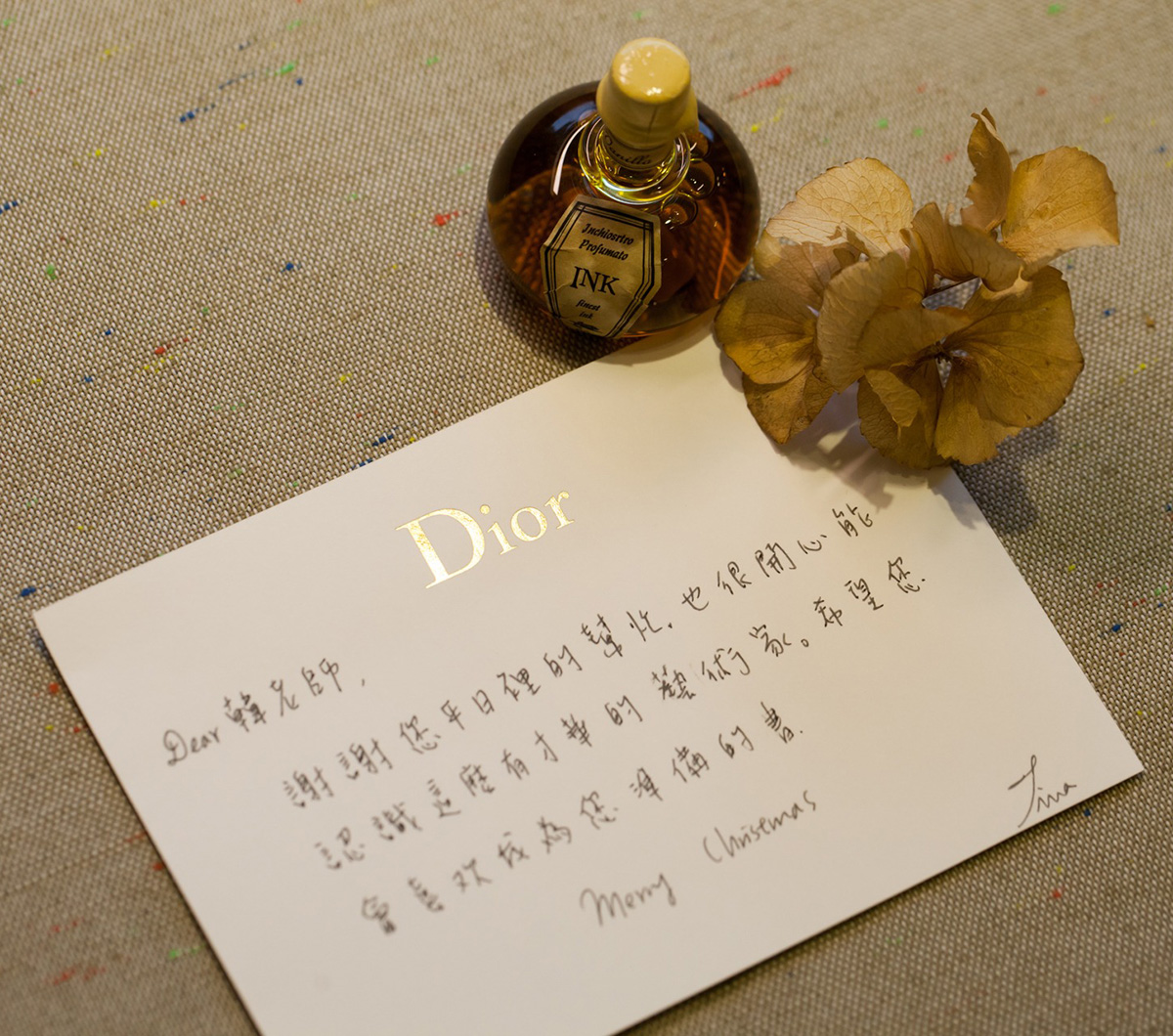
韓老師是我在台灣遇過最可靠的藝術家之一,他不只會寫字,
而是真正懂得如何用多國語言、古典與現代美學,傳達品牌的靈魂與質感。」
— Dior 品牌經理
書寫的真正價值,是讓人重新認識自己
許多人第一次走進教室時,都以為自己是來學寫字的。有人希望把字寫得工整一點;有人想改善長年養成的書寫習慣;也有人只是單純喜歡鋼筆與手寫,希望重新找回提筆書寫的樂趣。但經過多年教學後,我慢慢發現,真正吸引人們來到書寫面前的,往往不只是字。
更多時候,人們真正渴望的,是一些更深層的東西、在忙碌的生活裡放慢速度、在資訊洪流之中找回專注、在反覆比較與焦慮之間重新建立自信、在不斷追趕的世界裡,重新聽見自己的聲音。
而有些人,則只是希望在某個安靜的下午,被理解、被接住,並好好地與自己相處片刻。這些年來,我看過許多學生的改變。有人原本只是想把字寫漂亮,最後卻重新找回對生活的熱情;有人因為練習書寫,開始重新認識自己的個性與節奏;也有人在設計簽名的過程裡,第一次認真思考自己的名字,以及它所代表的意義。
於是我漸漸明白,書寫真正珍貴的地方,從來不只是技巧。它更像是一面鏡子。透過筆尖與紙張,人們重新看見自己的習慣、情緒、性格與生命經驗。也因此,日日好文創的課程始終不是制式化的大量教學。
無論是 A3 入門書寫課,還是 A6 一對一個人識別設計,我們真正關心的,都不只是字體本身、因為字只是入口、名字只是媒介、書寫只是方法。而所有課程最終指向的,其實都是同一件事:如何透過書寫,重新理解自己。因為從頭到尾,真正重要的從來不是字。而是那個正在書寫的人。
十多年後再回頭看,這篇專訪變得更有意思
當年接受《台灣光華》採訪時,韓玉青仍只是單純覺得:「自己是在推廣寫字文化。」但十多年後重新整理資料時才發現:從外交部專訪、到AIT四十週年、再到各國際品牌與政府文化單位合作,這些事件其實早已慢慢串成一條清晰的生命脈絡:一位長期透過書寫、美學與名字,研究「人與身份感」的人。
而這,也正是今日「個人識別設計」的起點。
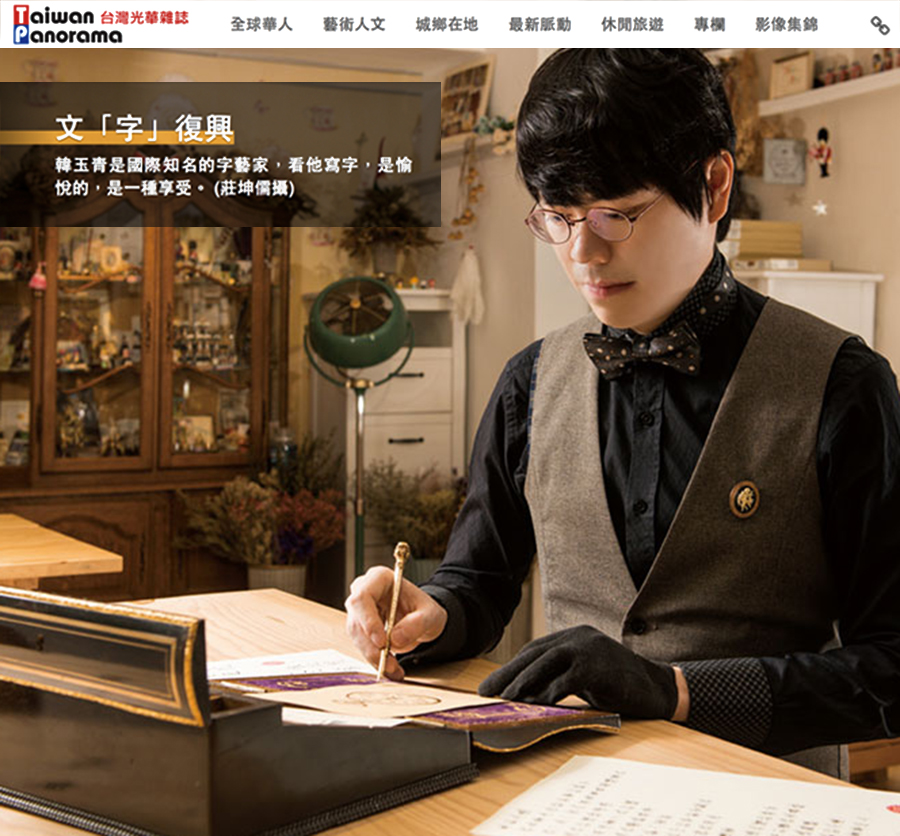
老派時尚,您有多久沒提筆寫字了?
3C當道,人們頻繁地藉著通訊軟體、L I N E貼 圖,溝通愈發便利的同時,還有人堅持著將思想、情意藉著手與筆,一豎一畫,化成文字,這樣的傳情達意或許老派,卻有無可取代的溫度。
寫字也是一種內省,坐在案前,端正姿勢, 握好筆,在一橫一豎、彎轉的迴旋間,順著肢體的記憶,在紙上留下印記,寫字更是一場與內在自我對話與療癒的過程。
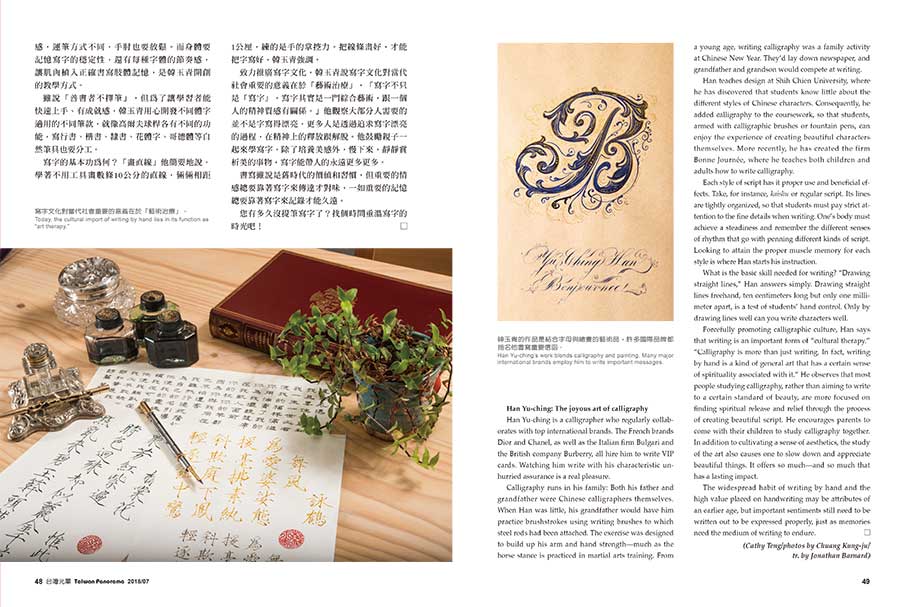
韓玉青笑著說:寫字文化對當代社會重要的意義在於「藝術治療」。
一路就讀美術資優班,赴英國進修回來之後, 他在實踐大學開設計課,卻發現學生對字體十分陌生,於是在課程加入手寫字體,讓學生用羽毛筆、鋼筆書寫,親身體驗字體的美感。之後他創 立「日日好文創」,教大人、小孩如何好好寫字。
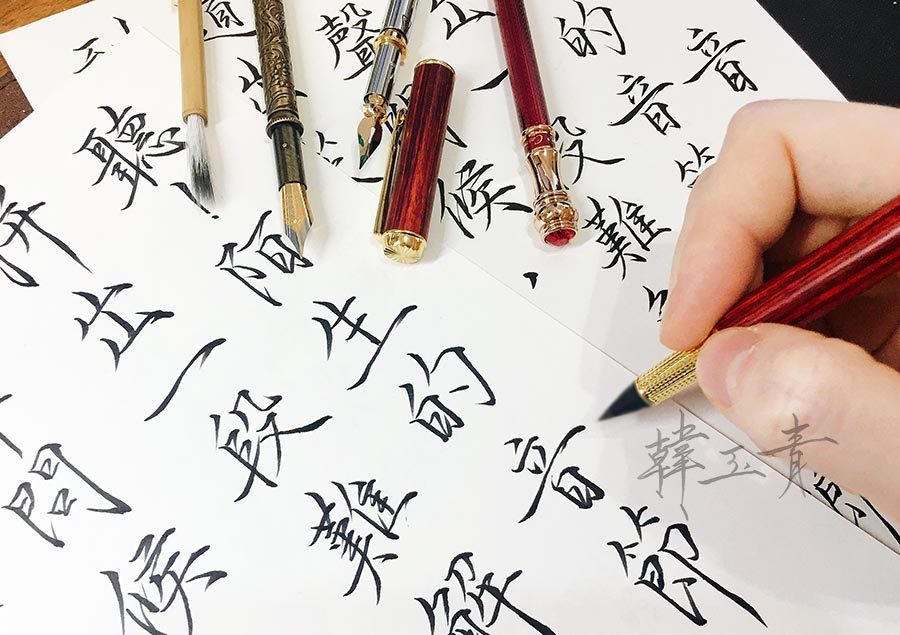
每一種字體都有矯正的功能與療癒的效果, 如中文的楷書,線條組織嚴謹能讓學習者在書寫時更注重細節,更細膩。行書則著重在速度感,運筆方式不同,手肘也要放鬆。而身體要 記憶寫字的穩定性,還有每種字體的節奏感, 讓肌肉植入正確書寫肢體記憶,是韓玉青開創的教學方式。
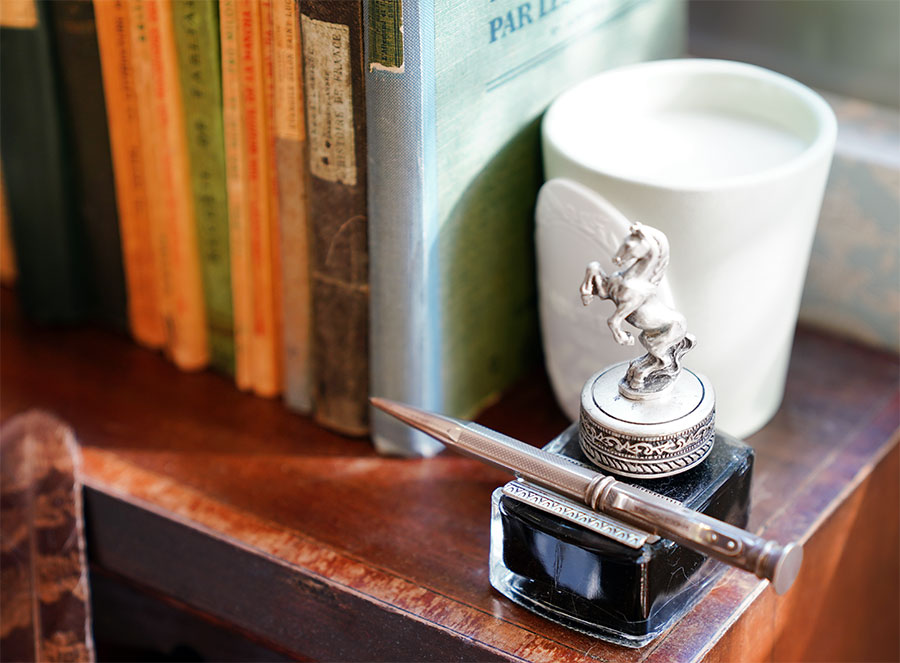
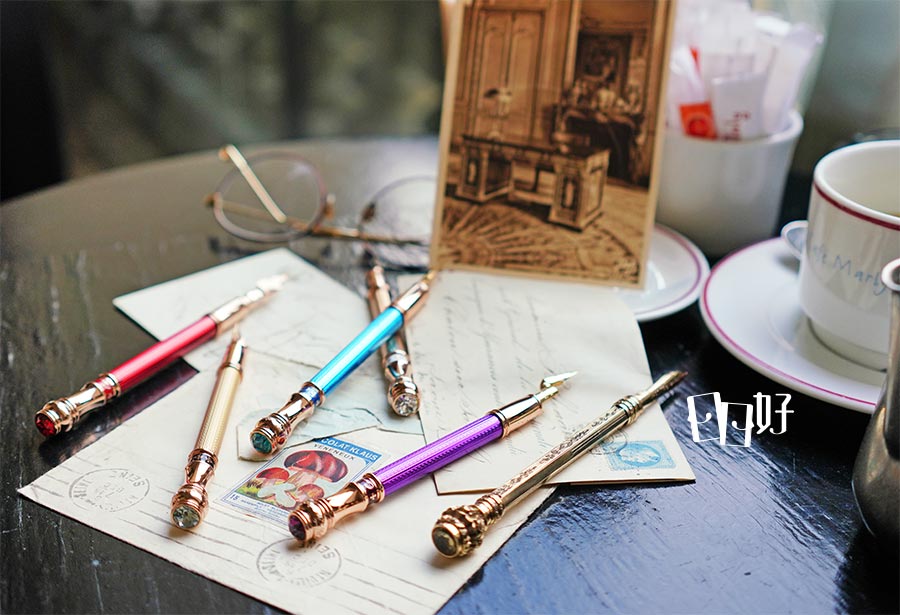
多年鋼筆美學教育的經驗累積,為了用心做出好筆。
雖說「善書者不擇筆」,但為了讓學習者能快速上手、有成就感,韓玉青用心開發不同體字適用的不同筆款,就像高爾夫球桿各有不同的功 能,寫行書、楷書、隸書、花體字、哥德體等自然筆具也要分工。
寫字的基本功為何?「畫直線」他簡要地說。 學著不用工具畫數條10公分的直線,倆倆相距1公厘,練的是手的掌控力。把線條畫好,才能把字寫好,韓玉青強調。
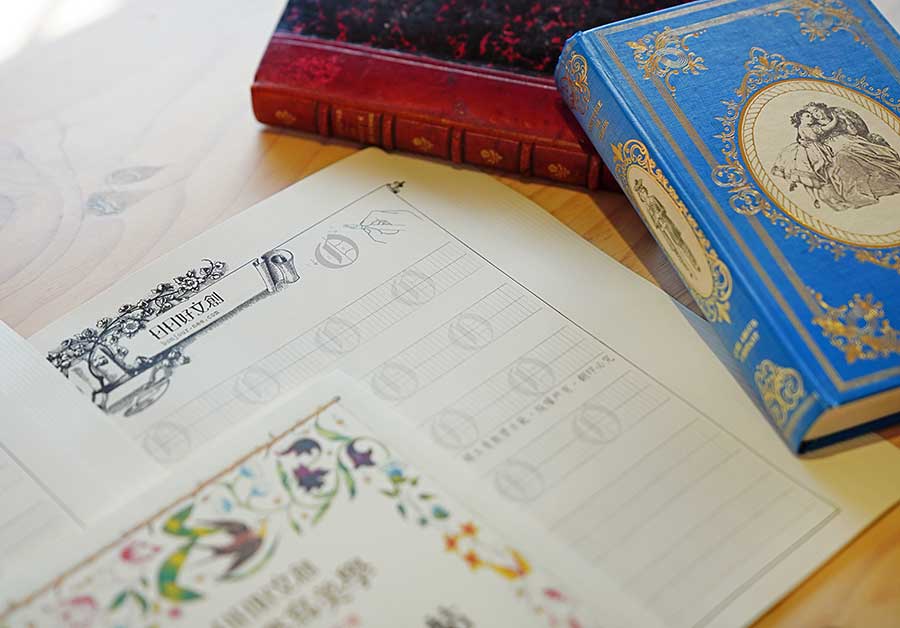
韓玉青的作品是結合字母與繪畫的藝術品,許多國際品牌都指名他書寫多國語言重要信函。
致力推廣寫字文化,韓玉青說寫字文化對當代 社會重要的意義在於「藝術治療」,「寫字不只 是『寫字』,寫字其實是一門綜合藝術,跟一個 人的精神質感有關係。」他觀察大部分人需要的並不是字寫得漂亮,更多人是透過追求寫字漂亮的過程,在精神上的釋放跟解脫。他鼓勵親子一 起來學寫字,除了培養美感外,慢下來,靜靜賞析美的事物,寫字能帶來的永遠更多更多。書寫雖說是舊時代的價值和習慣,但重要的情感總要靠著寫字來傳達才對味,一如重要的記憶總要靠著寫字來記錄才能久遠。
您有多久沒提筆寫字了?找個時間重溫寫字的時光吧!
韓玉青|個人識別設計
高端一對一客製化簽名設計|書寫美學
Signature Identity Design
Personal Branding
從書寫、美感與名字出發,陪伴您重新認識自己。
Tips
寫一手漂亮好字秘訣:
寫字的基本功為何?
「畫直線」他簡要地說,體會經營線條的質感,看似簡單但意義深遠。 學著不用工具畫數條10公分的直線,倆倆相距1公厘,練的是手的掌控力與穩定性。能徒手把線條畫好,才能隨心所欲把字寫好,韓玉青強調。
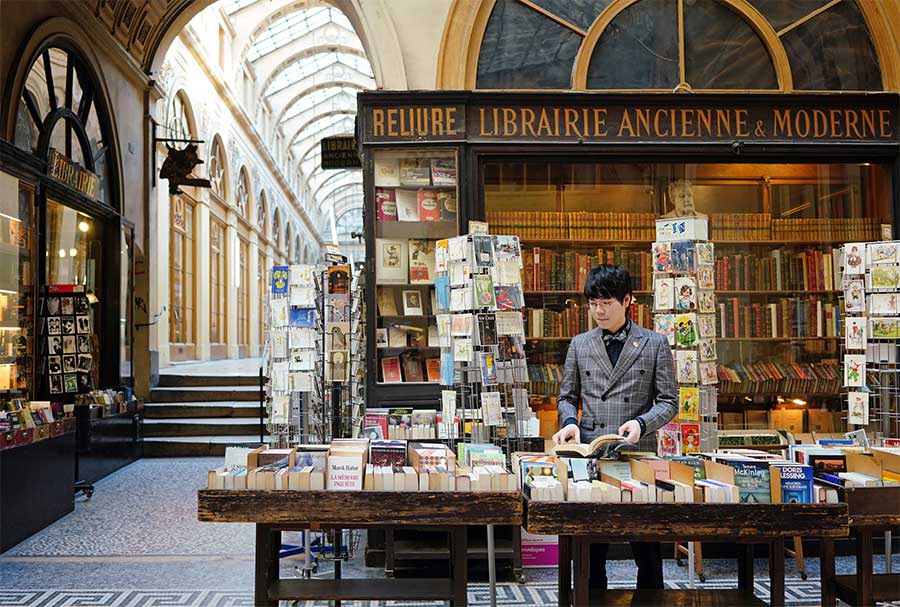
Taiwan Panorama Feature
Han Yu-Ching and the Revival of Handwriting Culture
In an age increasingly defined by screens, keyboards, and digital communication, Taiwan Panorama — the international cultural magazine published by Taiwan’s Ministry of Foreign Affairs — turned its attention to a surprisingly enduring subject: handwriting.
In its feature story, “Calligraphic Comeback — Handwriting Enjoys a Revival,” the magazine explored the growing return to handwritten culture and the renewed appreciation for writing as a meaningful human experience.
Among the individuals featured was Han Yu-Ching, whose work bridges design, handwriting, and personal identity.
Rather than approaching writing through a traditional calligraphic framework, Han’s background comes from visual design, typography, art education, and identity systems. Over the years, his research has focused on the relationship between handwriting, aesthetics, personal expression, and the ways individuals communicate their presence through written forms.
For Han, handwriting has never been simply about producing beautiful characters.
Instead, it represents something far more personal.
A person’s writing reveals rhythm, temperament, habits, and emotional presence. It reflects how someone moves through the world, how they perceive themselves, and how they choose to be remembered.
This perspective would later evolve into what Han now describes as Personal Identity Design — an interdisciplinary approach that combines handwriting, signature design, visual aesthetics, and self-expression.
The Taiwan Panorama feature also observed a broader cultural shift.
As digital technology continues to accelerate communication, many people have begun searching for experiences that feel slower, more intentional, and more human. Handwriting, once considered outdated, has quietly returned as a way of reconnecting with attention, memory, and personal meaning.
Looking back today, the article feels remarkably relevant.
In an era when artificial intelligence can generate text, images, and even signatures within seconds, the value of handwriting may no longer lie in efficiency.
Its value lies in something much rarer.
The presence of a real person.
A handwritten note, a signature, or even a single line of writing carries traces of time, emotion, and individuality that cannot be fully replicated.
And perhaps that is why handwriting continues to matter.
Not because it resists technology, but because it reminds us of something technology cannot replace:
The human desire to be seen, understood, and remembered.
Handwriting as Personal Identity
Over the years, Han Yu-Ching has collaborated with numerous international luxury houses, including CHANEL, Dior, Bvlgari, Burberry, and Van Cleef & Arpels, contributing to VIP events, handwritten invitations, personalized place cards, live calligraphy experiences, and signature design projects.
Yet looking back, these collaborations were never simply about handwriting.
What fascinated him most was not the ink, the paper, or even the finished work itself.
It was the relationship between a person’s name and their identity.
Luxury brands understand that true exclusivity is not created through products alone. It is created through attention, care, and the feeling of being personally recognized.
A handwritten invitation, a carefully prepared place card, or a name written with intention communicates something deeper than information.
It communicates respect.
It communicates presence.
It reminds people that they have been seen.
Through years of working with international brands and observing how identity is expressed through names, signatures, and personal interactions, Han gradually developed a broader perspective on the role of handwriting.
This perspective would eventually evolve into what he now calls Personal Identity Design.
Because a signature is never merely a name.
It is one of the most personal visual expressions a person carries throughout life.
It reflects character, rhythm, confidence, and individuality.
More importantly, it reveals how a person chooses to present themselves to the world.
For Han, handwriting is not simply a skill.
It is a language of identity.
And every signature tells a story about the person behind it.
Why Handwriting Matters Again in the AI Era
As artificial intelligence becomes increasingly capable of generating text, images, and even signatures, many people expected handwriting to become less relevant.
Yet the opposite seems to be happening.
The more digital our lives become, the more people begin to value experiences that feel personal, tangible, and unmistakably human.
In a world filled with automated communication and instantly generated content, individuals are increasingly drawn to authenticity, emotional depth, and moments of genuine connection.
They seek experiences that feel slower.
More intentional.
More real.
This renewed interest in handwriting is not driven by nostalgia alone.
Rather, it reflects a growing desire to reconnect with something that digital systems cannot fully replicate.
A handwritten note carries traces of the person who created it.
Its rhythm, imperfections, pauses, and gestures reveal something beyond the words themselves.
It preserves attention.
It preserves presence.
And it preserves a sense of humanity.
For Han Yu-Ching, this is why handwriting continues to matter.
Not because it competes with technology, but because it offers something fundamentally different.
While technology excels at efficiency, handwriting reminds us of individuality.
While algorithms generate content, handwriting reveals character.
And while artificial intelligence can imitate style, it cannot fully reproduce the lived experience behind a human hand.
In the end, handwriting remains meaningful for a simple reason:
It preserves the trace of a real person.
And in an increasingly digital world, that may be more valuable than ever.
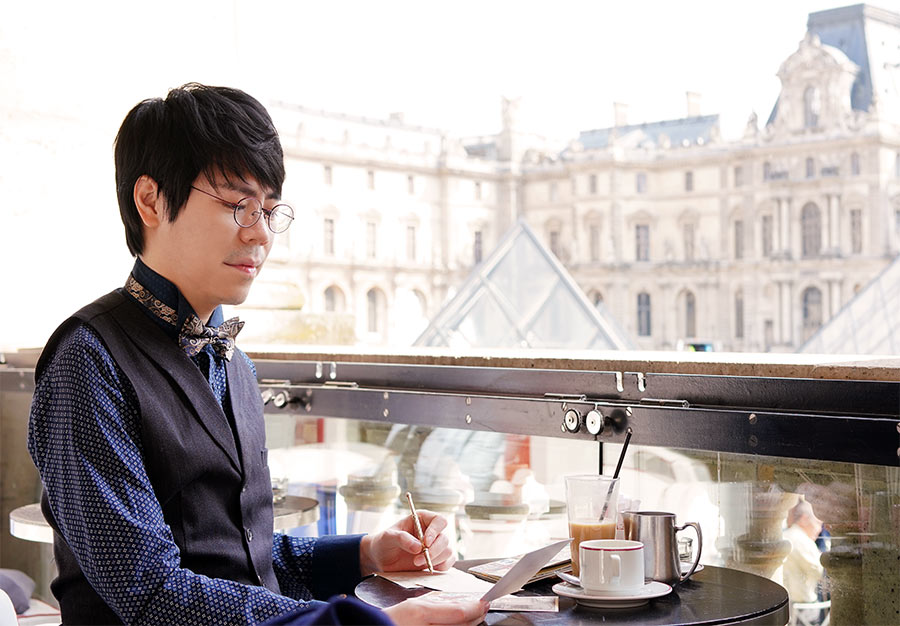
Han Yu-ching: The joyous art of calligraphy
Han Yu-ching is a calligrapher who regularly collab- orates with top international brands. The French brands Dior and Chanel, as well as the Italian rm Bulgari and the British company Burberry, all hire him to write VIP cards. Watching him write with his characteristic un- hurried assurance is a real pleasure.
Calligraphy runs in his family:
Both his father and grandfather were Chinese calligraphers themselves. When Han was little, his grandfather would have him practice brushstrokes using writing brushes to which steel rods had been attached. The exercise was designed to build up his arm and hand strength—much as the horse stance is practiced in martial arts training. From a young age, writing calligraphy was a family activity at Chinese New Year. They’d lay down newspaper, and grandfather and grandson would compete at writing.
he teaches both children and adults how to write calligraphy
Han teaches design at Shih Chien University, where he has discovered that students know little about the different styles of Chinese characters. Consequently, he added calligraphy to the coursework, so that students, armed with calligraphic brushes or fountain pens, can enjoy the experience of creating beautiful characters themselves. More recently, he has created the firm Bonne Journée, where he teaches both children and adults how to write calligraphy.
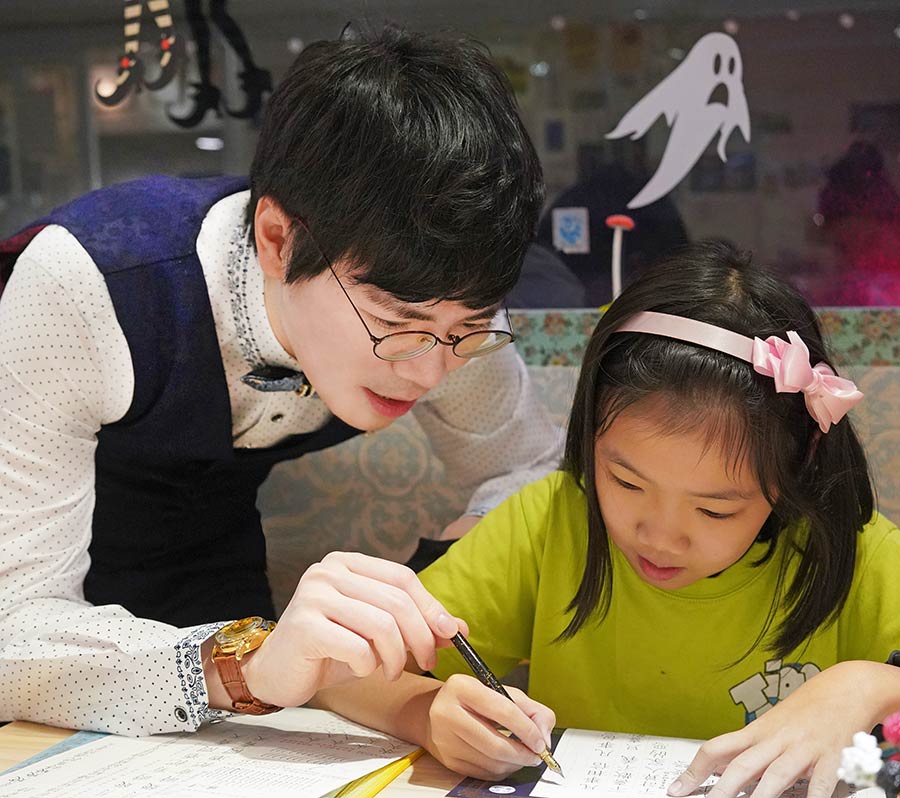
Looking to attain the proper muscle memory
Each style of script has it proper use and bene cial ef- fects. Take, for instance, kaishu or regular script. Its lines are tightly organized, so that students must pay strict at- tention to the ne details when writing. One’s body must achieve a steadiness and remember the different senses of rhythm that go with penning different kinds of script. Looking to attain the proper muscle memory for each style is where Han starts his instruction.
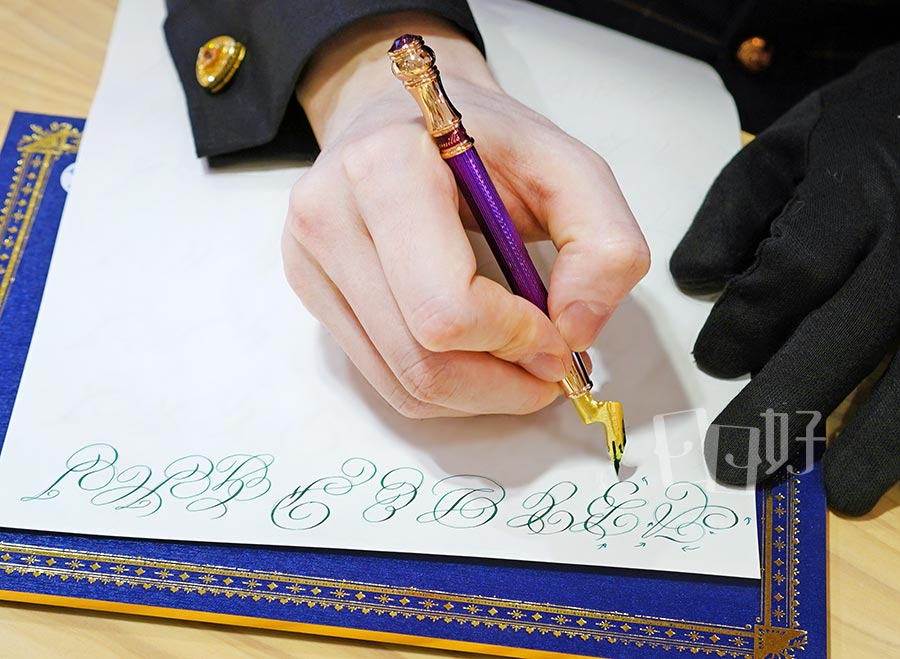
Calligraphic Comeback ——Handwriting Enjoys a Revival
What is the basic skill needed for writing? “Drawing straight lines,” Han answers simply. Drawing straight lines freehand, ten centimeters long but only one milli- meter apart, is a test of students’ hand control. Only by drawing lines well can you write characters well.
Calligraphy is more than just writing
Forcefully promoting calligraphic culture, Han says that writing is an important form of “cultural therapy.” “Calligraphy is more than just writing. In fact, writing by hand is a kind of general art that has a certain sense of spirituality associated with it.” He observes that most people studying calligraphy, rather than aiming to write to a certain standard of beauty, are more focused on nding spiritual release and relief through the process of creating beautiful script.
He encourages parents to come with their children to study calligraphy together. In addition to cultivating a sense of aesthetics, the study of the art also causes one to slow down and appreciate beautiful things. It offers so much—and so much that has a lasting impact.
It calms his mind and lets his converse with his inner self
The widespread habit of writing by hand and the high value placed on handwriting may be attributes of an earlier age, but important sentiments still need to be written out to be expressed properly, just as memories need the medium of writing to endure.
日日好文創
韓玉青|個人識別簽名設計・書寫美學
Personal Branding
Signature Identity Design
你的名字,值得被好好對待,
從設計簽名到書寫風格,
建立被信任的個人品牌。
如果您也曾經很久沒有好好寫字,或想重新找到屬於自己的名字節奏。
也許可以從一次真正被理解的書寫體驗開始。
歡迎加入日日好文創。